
By textbook definition, wood carving is the art of transforming wood into sculptures and figures using specialized tools like chisels and mallets. Hence, we can all agree that being a wood carver is no easy feat.
You need a good balance of creativity and craftsmanship to finish a piece, let alone perfect it. It is both an art and a skill—which, interestingly, can also be used to describe cooking.
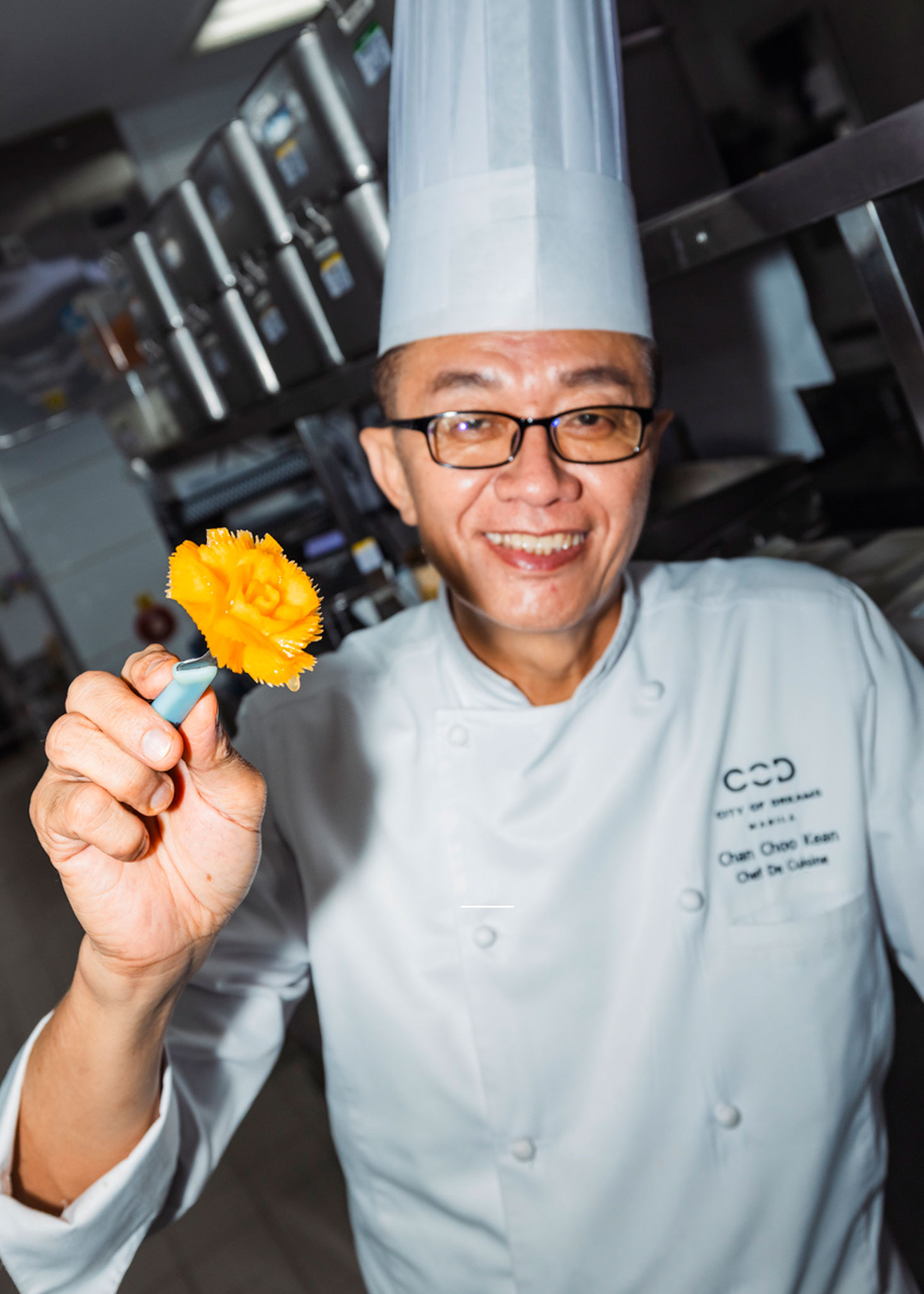
Good thing Crystal Dragon Chef de Cuisine Chan Choo Kean happens to be fond of both.
Jack of Both Trades and Master of Both
In one of Crystal Dragon’s social media features, Chef Chan admits that if he were not a Cantonese master chef today, he would probably be a wood carver.
While he has spent more than 30 years mastering Cantonese cuisine, Chef Chan considers himself relatively new to wood carving.
“I believe craftsmanship is not measured by how many years you have practiced—it is defined by your willingness to keep learning and improving,” he shares.
Chef Chan's commitment to craftsmanship also recently took center stage at The Dragons’ Ascent, a landmark six-hands dinner alongside the Executive Chefs of Macau's three-Michelin-starred Jade Dragon and one-Michelin-starred Pearl Dragon. The collaboration celebrated the shared pursuit of precision, authenticity, and excellence in Cantonese cuisine—values that continue to shape Chef Chan's work both in and beyond the kitchen.
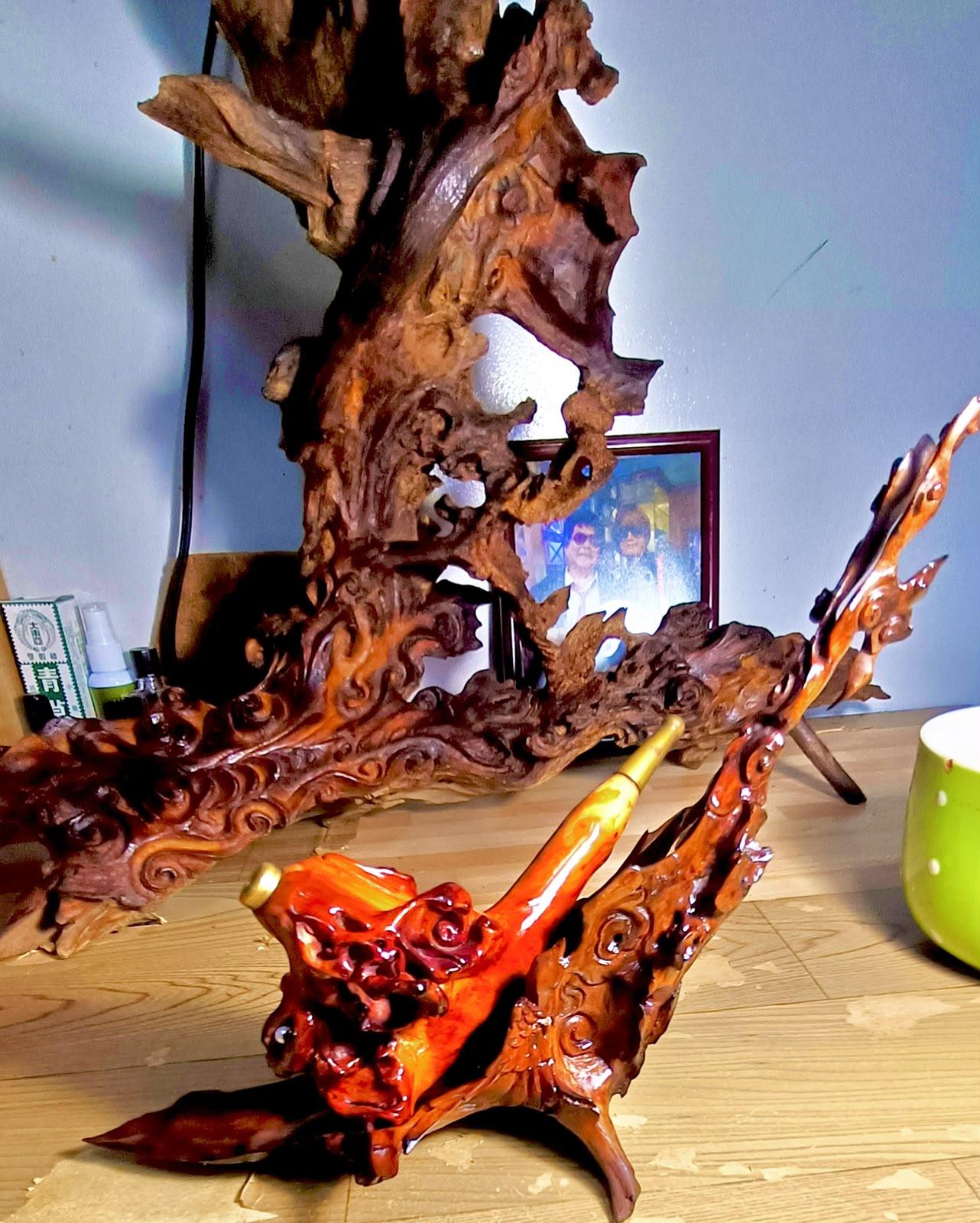
So far, Chef Chan has completed one finished piece: a hand-carved pipe stand. His second project, “Mock Phoenix with Mandarin Fish,” is currently in progress, although his responsibilities in the kitchen have delayed its completion.
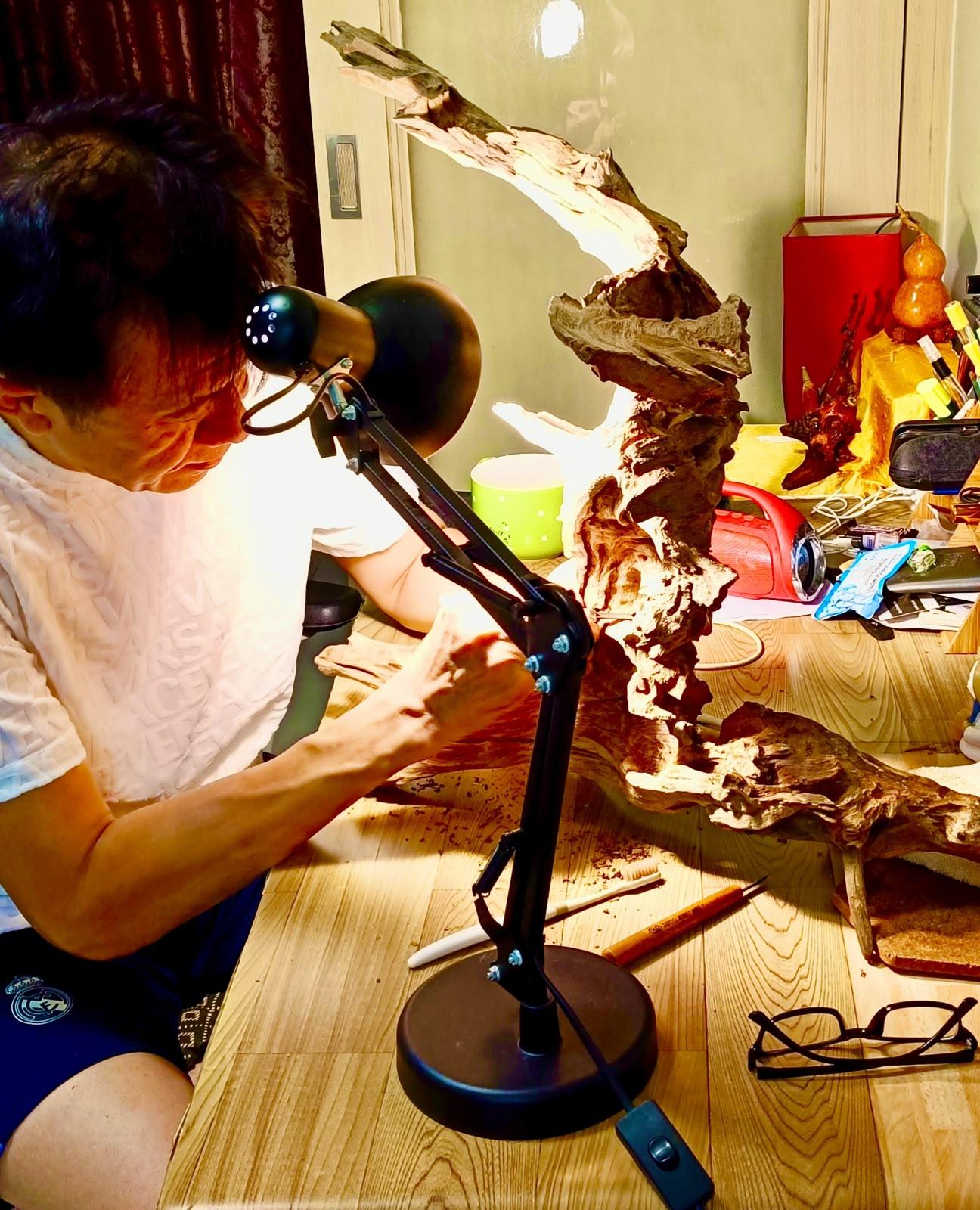
“Wood carving is not just a hobby for me—it is a way to slow down, focus, and enjoy the creative process.”
Just like no two handcrafted dim sum at Crystal Dragon are ever exactly alike, no two wood carvings are identical either. Every grain of wood tells a different story, requiring a different approach from the craftsman.
Depending on the size and level of detail, a single piece may take Chef Chan several weeks or even months to complete. “I value quality far more than speed,” he says.
His hand-carved pipe stand remains both his first finished work and the quickest carving he has completed so far.
Chef Chan’s professional culinary journey, meanwhile, began with Cantonese roast meats. He later specialized in signature dishes such as Herbal Angelica Roast Duck, Hong Kong-style Crispy Suckling Pig, and Pan-seared Cod, among many other Cantonese specialties.
It All Starts with the Right Materials
Whether you are preparing an elegant Cantonese banquet or carving a block of wood into a work of art, the process begins long before the first cut.
For Chef Chan, choosing the right piece of wood is not very different from selecting the finest ingredients for a signature dish. He studies the grain, color, hardness, and natural form of every piece before deciding how to work with it.
“Sometimes the wood itself already suggests what it wants to become,” Chef Chan says.
Just as Crystal Dragon carefully sources premium Cantonese ingredients—from prized seafood to delicate bird’s nest and dried scallops—Chef Chan also spends time looking for wood with the right natural character before even thinking about his design.
His appreciation for carving, in fact, began in the kitchen.
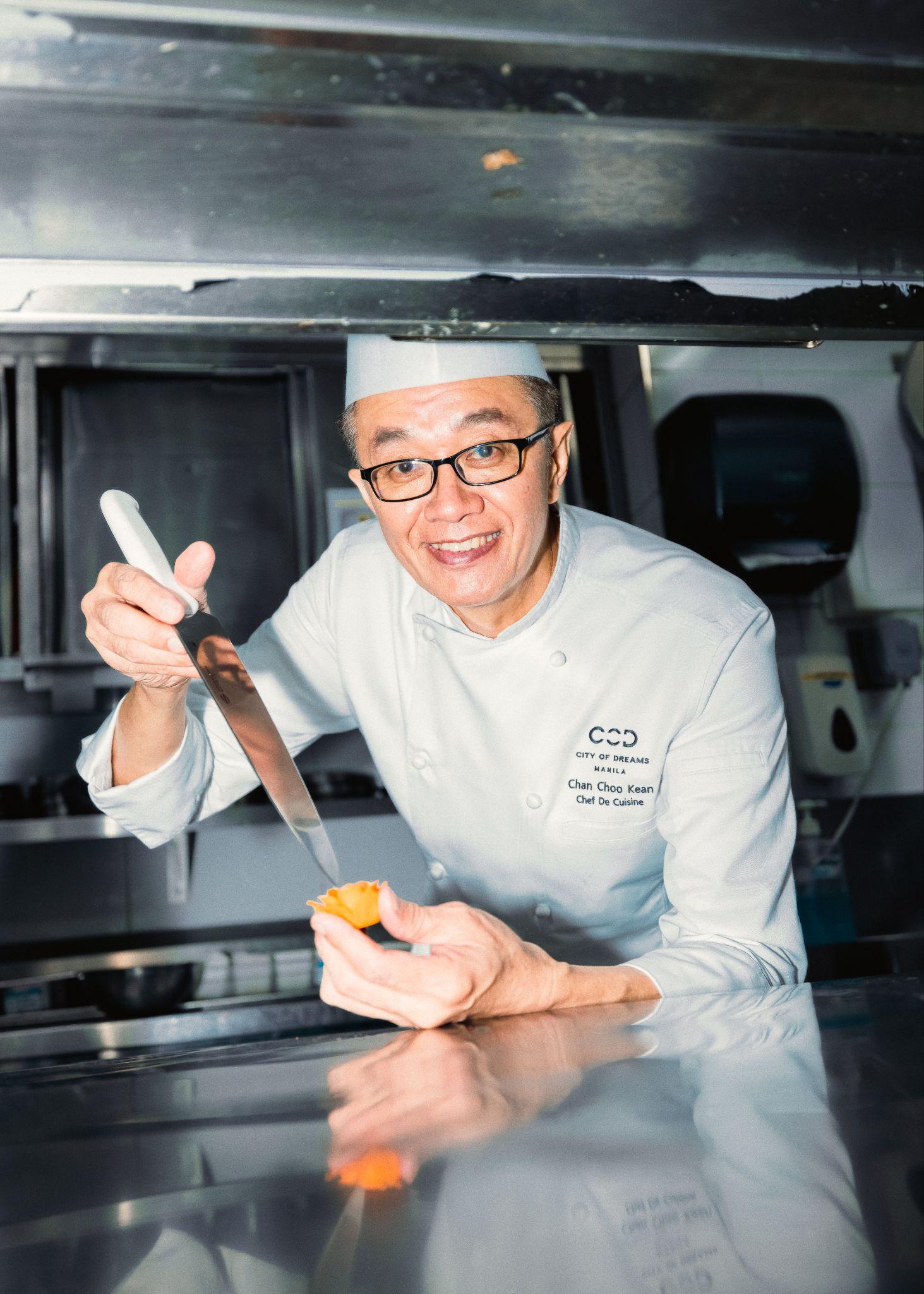
“When I first became a chef, fruit and vegetable carving was very popular for plate presentation,” he recalls. “After my shifts, I often stayed behind to practice carving techniques.”
One day, Chef Chan came across an abstract wooden sculpture displayed inside a fish tank at a local market. It immediately captured his imagination and sparked his interest in root wood carving.
“I realized that I could apply the carving skills I had developed in the kitchen to wood,” he shares. “Since then, I have dreamed of developing wood carving into a lifelong craft that I can continue to enjoy after retirement.”
Patience Cannot Be Rushed
Wood carving teaches one lesson very quickly: rushing almost always leads to mistakes. One careless strike of the chisel can undo hours—or even weeks—of meticulous work.
The same discipline applies inside a Cantonese kitchen. Whether it is slowly simmering a nourishing soup, carefully folding handcrafted dim sum, or achieving the perfect texture for premium seafood, timing is something Chef Chan refuses to compromise.
As he learned more about wood carving, Chef Chan realized that both disciplines were guided by the same values.
“Both crafts share patience, precision, observation, discipline, and respect for the material,” he says. “Whether carving wood or preparing a dish, every cut matters.”
Perhaps that is why both crafts demand the same virtue: patience. Not simply because they take time, but because the finished work deserves it.
The Tools Only Matter in the Right Hands
A seasoned wood carver can own every chisel imaginable, but beautiful work still depends on the person holding them. Cooking is no different.
Every day, Chef Chan works with the essential kitchen tools he relies on—from cleavers and woks to steamers and knives—that have become extensions of his hands through years of repetition.
Likewise, every carving tool in his workshop serves a specific purpose. Some shape broad surfaces, while others create the smallest details that most people would not even notice.
Chef Chan does not have one particular favorite carving tool.
“Different stages of the work require different tools,” he explains. “The most important thing is understanding each tool and using it to its fullest potential.”
In the kitchen, however, the chef’s knife is the tool he values most.
“A good knife allows a chef to work with precision and confidence, just as carving knives allow an artist to shape wood with accuracy.”
A Shared Philosophy
Creating Something Meant to Last
Like a memorable meal, a wood carving can endure long after it is finished—one through the experience it leaves behind, the other as an object that can last for generations.
Yet Chef Chan sees both crafts in the same way: each begins with quality, requires patience, demands precision, and is created with the hope that someone will appreciate the finished work.
Whether it is an intricately carved wooden piece displayed at home or a beautifully handcrafted dim sum served at Crystal Dragon, every creation reflects the same philosophy: craftsmanship is found in the details.
The two crafts, however, fulfill different purposes in Chef Chan’s life.
“Kitchen tools help me create food that brings people together, while carving tools allow me to find peace and express my creativity,” he shares. “One supports my profession; the other enriches my life. Together, they have shaped who I am.”
For Chef Chan, it does not matter whether he is holding a cleaver or a chisel. At the end of the day, he is simply doing what he loves most—creating something with his own hands.
“True craftsmanship is not only about carving wood—it is about shaping patience. Great cooking is not only about creating a dish—it is about creating excellence with heart, precision, and dedication.”
Discover Chef Chan’s craftsmanship through Crystal Dragon’s refined Cantonese cuisine.
View the Full Menu Reserve Your Table